
UHP Graphite Electrode
- Category: UHP
- Diameter Range: 300-700mm
- Permissible Current Load: 15-120kA
Get Price NOW
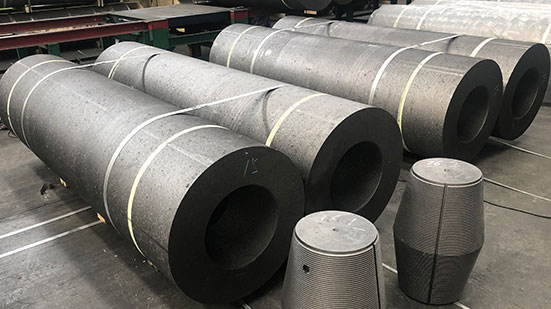
Ultra-high power graphite electrodes (UHP Graphite Electrodes) are high-performance conductive materials used in electric arc furnace (EAF) steelmaking and other electric heating equipment. They are primarily made from high-quality needle coke through a special high-temperature graphitization process. These graphite electrodes have excellent electrical conductivity, thermal shock resistance, and high-temperature resistance, capable of withstanding the extreme temperatures and currents generated during electric arc furnace steelmaking.
Send a quote now
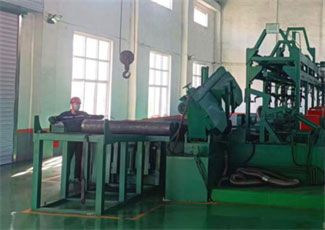
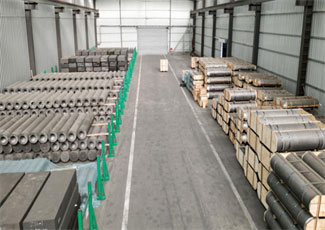
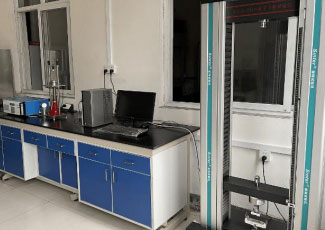
Features of UHP Graphite Electrode:
- High Electrical Conductivity: Ultra-high power graphite electrodes have very low resistivity, allowing them to conduct large amounts of current quickly and efficiently, thereby improving the heating efficiency of the electric arc furnace and shortening the steelmaking time.
- Excellent Thermal Shock Resistance: These graphite electrodes maintain structural stability in environments of high temperatures and rapid cooling and heating, making them less prone to cracking and breaking, ensuring continuity and stability in the steelmaking process.
- Strong High-Temperature Resistance: Ultra-high power graphite electrodes do not easily oxidize or soften in high-temperature environments, maintaining their physical and chemical properties during prolonged high-temperature operations, thus extending their service life.
- High Mechanical Strength: Graphite electrodes that undergo high-temperature graphitization have high mechanical strength and can withstand various mechanical stresses during electric arc furnace steelmaking.
Send a quote now
The Physical And Chemical Indexes Of UHP Graphite Electrode
| Item | Nominal Diameter | ||||
|---|---|---|---|---|---|
| UHP Graphite Electrode | |||||
| 300~400 | 450~500 | 550~650 | 700~800 | ||
| Premium | Premium | Premium | Premium | ||
| Electrical Resistivity /μΩ·m ≤ | Electrode | 6.2 | 6.3 | 6.0 | 5.8 |
| Nipple | 5.3 | 5.3 | 4.5 | 4.3 | |
| Flexural Strength /MPa ≥ | Electrode | 10.5 | 10.5 | 10.0 | 10.0 |
| Nipple | 20.0 | 20.0 | 22.0 | 23.0 | |
| Elastic Modulus /GPa ≤ | Electrode | 14.0 | 14.0 | 14.0 | 14.0 |
| Nipple | 20.0 | 20.0 | 22.0 | 22.0 | |
| Bulk Density ≥ | Electrode | 1.67 | 1.66 | 1.66 | 1.68 |
| Nipple | 1.74 | 1.75 | 1.78 | 1.78 | |
| Thermal expansion coefficient /(10-6/℃) ≤ | Electrode | 1.5 | 1.5 | 1.5 | 1.5 |
| (100℃~600℃) | Nipple | 1.4 | 1.4 | 1.3 | 1.3 |
| Ash Content ≤ | 0.5 | 0.5 | 0.5 | 0.5 | |
| Item | UHP Graphite Electrode | |
|---|---|---|
| Nominal Diameter /mm | Current Carrying Capacity/A | Current Density / (A/cm2) |
| 300 | 15000~22000 | 20~30 |
| 350 | 20000~30000 | 20~30 |
| 400 | 25000~40000 | 19~30 |
| 450 | 32000~45000 | 19~27 |
| 500 | 38000~55000 | 18~27 |
| 550 | 45000~65000 | 18~27 |
| 600 | 50000~75000 | 18~26 |
| 650 | 60000~85000 | 18~25 |
| 700 | 70000~120000 | 18~30 |
UHP Graphite Electrode Advantages:
- Energy Saving and Consumption Reduction: High electrical conductivity and excellent thermal shock resistance significantly reduce power consumption and electrode consumption in electric arc furnace steelmaking, effectively saving energy and costs.
- Long Service Life: The high wear resistance and oxidation resistance of ultra-high power graphite electrodes significantly extend their service life under extreme conditions.
- Stable and Reliable: The product performs excellently under high-temperature and high-pressure conditions, ensuring the stability and reliability of the production process.
Application of UHP Graphite Electrode:
Ultra-high power graphite electrodes are mainly used in the following fields:
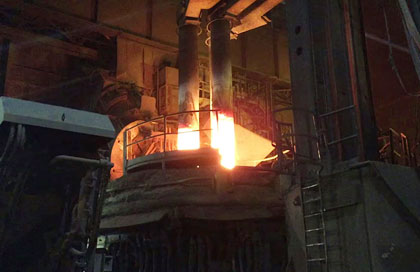
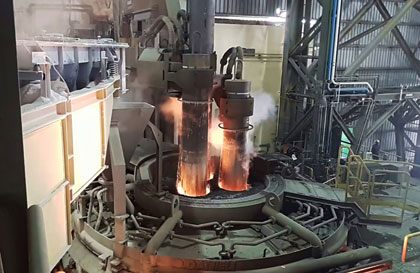
- Electric Arc Furnace Steelmaking: As the primary conductive material for electric arc furnaces, ultra-high power graphite electrodes play a crucial role in heating and melting metals during steel production.
- Submerged Arc Furnaces: Used for producing alloy steel, ferrosilicon, and other metal materials.
- Non-Ferrous Metal Smelting: They also play an important conductive role in the smelting of non-ferrous metals such as copper and aluminum.
Production Process of UHP Graphite Electrode:
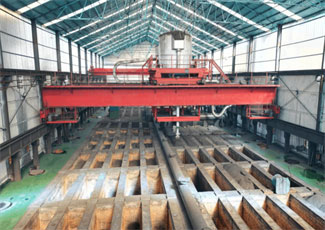
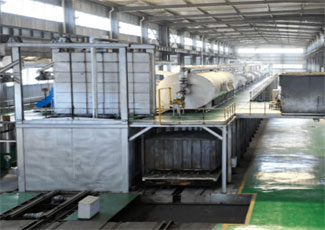
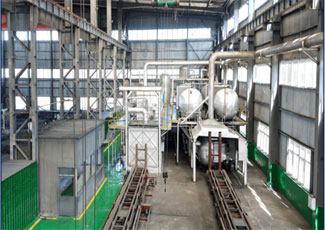
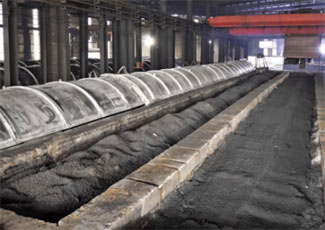
The production process of ultra-high power graphite electrodes involves several key steps, from the selection of raw materials to the final processing and inspection of the product. Below is the typical production process for UHP graphite electrodes:
1. Raw Material Preparation
The primary raw materials for UHP graphite electrodes are high-quality needle coke (such as petroleum coke and pitch coke). Before production, raw materials undergo strict quality inspection to ensure low sulfur content, minimal impurities, and uniform particle size distribution.
2. Crushing and Screening
Needle coke and other auxiliary materials are crushed into suitable particle sizes and then sieved into different granularity through screening equipment. This step ensures better mixing and kneading in subsequent processes.
3. Mixing and Kneading
The sieved needle coke particles are mixed in a certain proportion, and a binder (usually coal tar pitch) is added. The mixture is thoroughly kneaded in a high-temperature kneader to ensure that the binder and the granular materials are evenly mixed, forming a homogeneous paste with good plasticity.
4. Forming
The kneaded paste is placed into molds and formed into the desired electrode shape through extrusion or molding processes. This process requires high pressure to ensure that the electrode blanks have sufficient density and mechanical strength.
5. Baking
The formed electrode blanks are placed in a baking furnace and subjected to high-temperature baking in an oxygen-free or low-oxygen environment. The baking process removes volatile substances from the electrodes and enhances their mechanical strength and electrical conductivity. The baking temperature typically ranges from 800°C to 1300°C and can last from several tens to hundreds of hours.
6. Impregnation
Baked electrode blanks usually have some porosity. To increase the density and electrical conductivity of the electrodes, impregnation treatment is necessary. The electrode blanks are placed in an impregnation tank, where they are impregnated with coal tar pitch or other impregnating agents under high temperature and high pressure, allowing the impregnating agent to penetrate the pores within the electrodes. This process usually requires multiple cycles to achieve the desired effect.
7. Secondary Baking
After impregnation, the electrode blanks undergo a second baking process to solidify the impregnating agent and improve the electrode's strength and conductivity. The temperature and duration of the second baking are similar to the first baking, but usually slightly higher.
8. Graphitization
Graphitization is the most critical step in the production of UHP graphite electrodes. The electrode blanks are heated to 2800°C to 3000°C in a high-temperature furnace. At such high temperatures, carbon atoms rearrange to form a graphite structure, significantly enhancing the electrode's electrical conductivity, heat resistance, and thermal shock resistance. The graphitization process must be conducted under an inert gas atmosphere to prevent oxidation.
9. Machining
Graphitized electrodes need precise machining to adjust their size and shape to meet usage requirements. This includes turning, end-face processing, and thread machining.
10. Inspection and Packaging
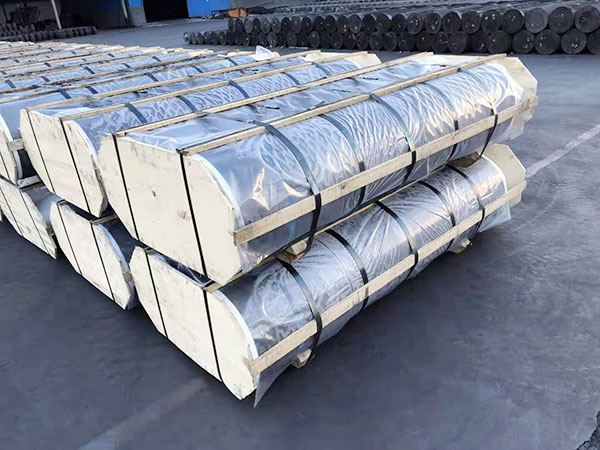
The finished UHP graphite electrodes undergo rigorous quality inspections, including dimensional measurement, resistivity testing, and strength testing, to ensure they meet the quality standards of ultra-high power graphite electrodes. Qualified products are then cleaned and packaged, ready for shipment.
Calcination Process
Pressing Process
Roasting Process
Tunnel Kiln Process
Impregnation Process
Graphitization Process
Machining Process
Finished Product Warehouse
Quality Inspections
FAQ
What are the common issues when using UHP graphite electrodes?
Common issues include electrode breakage, oxidation, joint loosening, rapid consumption, and electrode falling off. Each problem has specific causes, such as mechanical damage, excessive current density, poor contact, or oxidation.
How can the risk of electrode breakage be reduced?
To reduce the risk of electrode breakage, ensure correct installation and use of electrodes, control reasonable current density, avoid poor contact, regularly inspect electrode quality, and replace defective electrodes promptly.
How to prevent electrode oxidation?
To prevent electrode oxidation, measures can be taken such as reducing the time electrodes are exposed to air, applying anti-oxidation coatings to the electrode surface, or using inert gas protection to slow down oxidation.
What causes rapid electrode consumption?
Rapid electrode consumption is usually related to high current density, high furnace temperature, and the composition and properties of the furnace charge. Excessive impurities or improper operating parameters can lead to rapid electrode consumption.
What are the key points for the maintenance of UHP graphite electrodes?
Key maintenance points include regularly inspecting the condition of the electrodes and joints, ensuring secure and tight installation, avoiding mechanical impacts or damage, controlling current and temperature parameters properly, and promptly addressing any abnormal situations.
What are the storage conditions for UHP electrodes?
Electrodes should be stored in a dry, well-ventilated environment to avoid moisture and contamination. When storing, avoid direct contact with the ground, use wooden racks or pads for support, and prevent mechanical collisions and damage.